

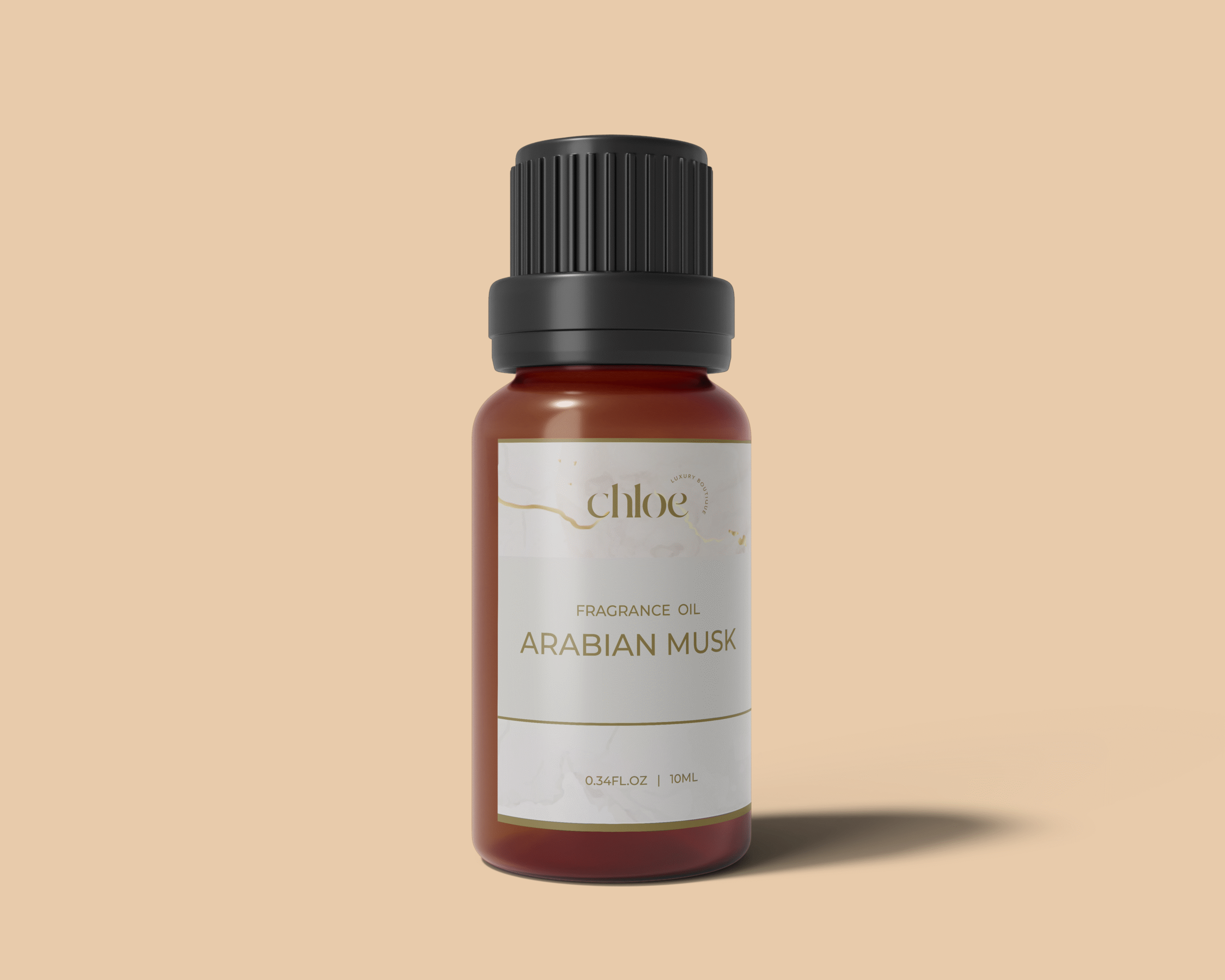
Description
Arabian musk fragrance oil has a rich and fascinating history that spans centuries. Here’s a brief overview:
Origins and Early Use
- Ancient Egypt: The use of musk as a fragrance dates back to ancient Egypt, where it was highly valued for its aromatic and medicinal properties. Musk was often used in religious rituals, embalming processes, and as a personal fragrance by the elite.
- Arabian Influence: As trade routes expanded, musk found its way to the Arabian Peninsula. Arabian perfumers became renowned for their skill in creating complex and luxurious fragrances, incorporating musk into their blends.
Cultural Significance
- Symbol of Purity and Spirituality: Musk was considered sacred and was used in temples and religious ceremonies to honor the gods. It was believed to have purifying properties that could cleanse both the body and spirit.
- Luxury and Status: In both ancient Egypt and Arabia, musk was a symbol of luxury and status. It was often reserved for royalty and the wealthy, making it a highly sought-after commodity.
Modern Interpretations
- Continued Popularity: Today, Arabian musk continues to be a popular ingredient in perfumes and fragrance oils. Its warm, earthy, and slightly sweet aroma is cherished for its depth and complexity.
- Blended Fragrances: Modern perfumers often blend musk with other notes such as florals, woods, and herbs to create unique and sophisticated scents.
Arabian musk’s enduring appeal lies in its rich history and the timeless allure of its fragrance. Have you ever tried a musk-based perfume?

Reviews
There are no reviews yet.